Documentaries give us the chance to see the world through the eyes of another. In many ways they are the next best thing to travelling.
These are some of my favorites.
War Don Don (2010)
Set in the aftermath of the civil war in Sierra Leone, this was the film that first drew my interest to journalism. Following the war crimes trial of Issa Sesay, War Don Don paints a picture colored by poverty, violence and the ambiguity of truth. Sesay was an interim commander of the Revolutionary United Front (RUF), a faction in the 11-year civil war accused of (among other things) enslavement, mass murder and sexual violence.
The first half focuses on his prosecution, the second covers his defense. This simple structure shows no bias for either side, and reveals one complicated truth: that even the most morally stark tales are woven by two sides of the same story.
Häxan (1922)
I can think of no better film to accompany the long-awaited end of winter than this a bizarre piece from 1920’s Swedish Cinema. While I would struggle to call it a documentary by contemporary standards, this film nonetheless provides an informative overview of folk witchcraft beliefs from the medieval period.
Because of the era in which this film was made, there is no audio dialogue, using flash cards for narration instead. I must admit, the Swedish text couldn’t help but make me think of the opening credits of Monty Pythons Holy Grail (a m∅∅se once bit my sister), but that is where most of the lighthearted humour ends.
Done through a series of re-enactments, this film really shines through it’s mind-bending sets and bizarre costumes. Many of the actors cast as priests play the devils as well (possibly having blown the budget on paper-mâché tombstones and demon phalluses) but this fact nonetheless serves as a nice little piece of accidental social commentary.
In the end, that’s really what this film is: a piece of social commentary. By the 2nd half it becomes clear that the message about the horror of this period wasn’t necessarily about the fear of witches, but rather what the fear of witches drove human beings to do. Namely, to torture and execute lonely old women with dementia and other scary, degenerative illnesses.
You may want to call your Grandma after this one.
Samsara (2011)
What can I say about a film with no dialogue? Well for starters, that in my opinion this may be one of the most important films ever made. Part 3 of the non-narrative, cinematography based series by Ron Fricke, Samsara is a breathtaking showcase of life on our planet, and I can think of no other film that says so much with so little.
Using time-lapse footage from supermarkets, slaughterhouses, cityscapes and ancient ruins, Samsara is a looking glass outside of history, and carries with it a deep sense of wonder, curiosity and profound sadness over the loss of our world.
Tickled (2016)
This film deals examines the secretive online world of professional “tickle-fighting”. Sound like a lighthearted good time? Think again. This is a seriously bizarre examination of unfettered power, gang-stalking and dark money.
Centering on one journalists effort to investigate the curious “sport”, it quickly unravels into a ‘Catfish’ on steroids. If you’ve ever wondered what happens when a sociopathic millionaire collides with an extreme power-fetish, helped by the anonymity of the internet – (granted, you probably weren’t…) then look no further. Conspiracy theorists need apply, this is one of the most weirdest movies I’ve seen in years.
Winter On Fire (2015)
I briefly mentioned it in Episode 1 of Elsewhere, but this film absolutely demands further examination. Winter on Fire follows the story the 2014 ‘Euromaidan’ revolution in Ukraine. Started during a simple student protest, it quickly exploded into a nationwide revolution which played out as one of the most violent and filmed incidents in the 21st century.
The result is powerful, modern, and deeply human. Winter On Fire is a much watch for anyone with a heart to be inspired.
Bitter Lake (2015)
From renowned director Adam Curtis, “Bitter Lake” does the dirty, necessary work of examining the relationship between the United States and Saudi Arabia.
Detailing the twin rise of American imperialism and Saudi Whabbaism (the deeply conservative interpretation of Islam followed by ISIS and Al Qaeda), Bitter Lake paints a damning, realistic vision of how oil has funded terrorism since the 80’s, and led to the rise of some of the wealthiest, and most immoral empire(s) the world has ever seen.
A series of events early on started her down a path which led to kidnapping, prostitution and an encounter with one of BC’s most notorious serial killers (which in all fairness, is just a small part of her very big story). She now spends her days counselling other survivors of trafficking, and educates people on the issues surrounding youth prostitution.
I wrote the following paper for a Cultural Anthropology class taken in Fall, 2018. The purpose of the assignment was to take a controversial practice from another culture, and assess it using one of the core principles of Anthropology: Cultural Relativism. Eg. Avoiding the judgement of a practice or culture by using the values of your own.
Eating Dog: Shining a Light on Culinary Cultural Relativism
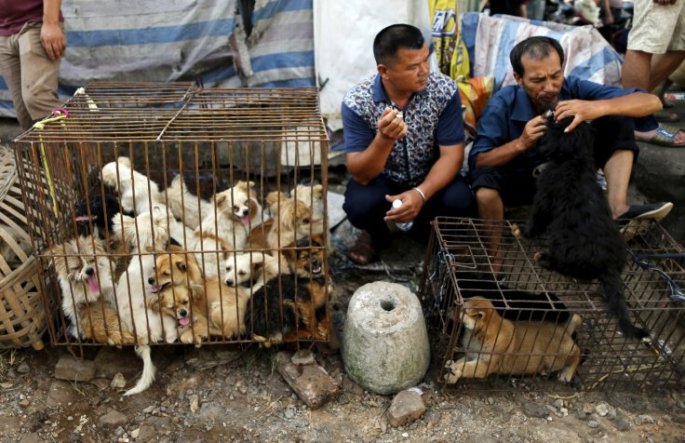
Every summer in the city of Yulin, in the Guangxi province of China, thousands gather for a festival that, since its inception in 2009 has drawn the ire of the international community. In fact, since its creation over 11 million people worldwide have petitioned in an attempt to bring this festival and its practices to a close. This celebration, which involves the local population coming together to enjoy traditional plates of lychee fruit, has become one of the most controversial contemporary festivals in the world, but the 11 million people protesting it are not up in arms over the fruit, but rather the protein portion which makes up the traditional plates of this festival’s cuisine. In modern Asia, practices which were once common globally have persisted into current times. This dichotomy leaves us with the greatest example of contemporary cultural relativism that one can think of, with a practice so culturally jarring it leaves even the most rational Westerners lighting their torches and sharpening their pitchforks. I’m talking of course, about the practice of eating dog.
It is beyond doubt that dog meat has at least been occasionally consumed by every culture where it was available at some points in history. Dog meat was even referred to as “Blockade mutton” in Germany during its many points of starvation crisis in the midst of the 20th century. In the years since however, the consumption of dog meat in the West has fallen significantly, and is now seen as a meal of last resort for the impoverished or otherwise truly desperate. In some circles, it is seen as a point of moral superiority over neighboring countries in the East.
But why do people feel this way? What is it about dogs which rile up these defensive feelings? What is it that makes those in the West boil with rage at the concept of consuming dogs as livestock, as they themselves do with so many other animals?
Cultural kinship, for starters.
Dogs are, in many homes in the West (and all over the World), considered to be part of the family. They are the guardian spirits of the home, watching over its daily functions with an eye to detail only possible for a creature whose entire world is made up by the home. They defend this world completely. They watch over the children, and interact with them like siblings. For many children growing up, the family dog is a closer part of their life than even some human relatives. It is due to this hallowed place in the heart of Western identity that people react so strongly to idea of eating canine as livestock meat.
To contrast this Western cultural norm, dog ownership was actually banned during Mao’s cultural revolution starting in 1966. Although this is no longer the case, and dog ownership is now increasing with China’s rising middle class (with 64 million registered dogs as pets), it appears as if this gap in cultural pet ownership history may have had an effect on the Chinese perception of a dog’s place in society. Currently, between 10 and 20 million dogs are slaughtered for consumption each year in China, and although the youth population and some celebrities have increasingly called for bans or a reduction in dog meat consumption, the festival (and other dog meat proprietors) appear to be rolling forward with little regard given to these concerns.
The consumption of dog meat has a long history in Asian cultures, with many folk remedies and traditional medicines citing it as an important ingredient. It is said that eating dog during the summer months can be used to bring health and good luck to a family. Still other myths claim that dog meat can be used to increase the male libido, and combat disease.
China is no stranger when it comes to controversial folk-remedies, with shark fin soup being one of particular notoriety. Served at weddings and other special occasions, shark fin soup is considered particularly problematic due to the massive fishing operations undertaken to fuel its growing market. Often cited as being wasteful and inefficient, these fishing operations have been known to leave sharks to die after having only their valuable fins removed.
Another example of a controversial Chinese folk remedy ingredient is that of the rhino horn. Controversial to the point of being utterly illegal to harvest, China remains the number one importer of rhino horn despite the international taboo surrounding it, and the complete lack of evidence that rhino horn possesses any medical properties whatsoever. Much like with shark fin soup, rhinos are often shot and left to die upon having their horns extracted. There are currently 5 species of rhino on the World Wildlife foundation’s “Critically Endangered” list. The Chinese black-market trade of rhino horn continues despite this.
Given these facts, it is important to place the Lychee and Dog Meat festival into its proper cultural context. Due to the aforementioned examples, it could be argued that animal welfare isn’t particularly high on the list of Chinese cultural values, so a phenomenon such as the Lychee and Dog Meat festival perhaps should not be considered too surprising, or viewed as an outlier on the scale of acceptable activities within China.
One of the greatest arguments against the Lychee and Dog Meat Festival is the frequent claims of animal cruelty it faces. Over 10,000 dogs are slaughtered and consumed during the 10-day festival in late June, with many videos existing of dogs being public slaughtered with clubs. Cats are also consumed at the festival, with the occasional report of either animal being skinned alive, or having their fur burned off using propane torches.
This all sounds extremely harsh, but animals being killed at auction or in marketplace environments is not uncommon in China, or indeed in many other parts of the World. In the developing world is it common practice to have your livestock picked out from a pen, then slaughtered and processed right in front of you. In some ways, this practice can be preferred because it allows the customer to see that the process was undertaken properly, with the feathers plucked and toxic parts or organs removed.
Given all this, the Lychee and Dog Meat festival hardly stands out as anything other than business as usual in regards to contemporary animal rights in China.
Taking a wider lens to this issue, I think its important to think about the status of meat production globally. One of the biggest criticisms of the Lychee and Dog Meat festival is that the animals in question are transported in confined, inhuman conditions, with live animals often stuck in extremely small cages alongside dead ones. But how does this differ to the treatment of livestock animals in the West?
Countless investigative reports and activist videos exist displaying the unsanitary and inhumane conditions of factory farms in the Western world. Transportation of livestock creatures is taken with as much forethought to their comfort as a farmer would have when transporting apples or carrots (That is to say, very little).
Cows are slaughtered with sledgehammers and chickens are eviscerated with saw blades attached to assembly line tracks, all behind the closed doors of fully legal, sanctioned slaughterhouses all over the world. Female cow mothers are kept perpetually pregnant, confined to tight spaces and slaughtered as soon as their bodies are incapable of producing milk. The entire backbone of the global meat industry rests on nothing more than a perpetual, mechanized holocaust for cows and other livestock we deem “appropriate for human consumption”.
One can only imagine the horror that Hindu’s must feel in response for the global appetite to their sacred animal, the cow. My point being is that animal cruelty for the purposes of meat production exists everywhere. Those who feel horror and disgust at the concept of eating cats and dogs should realize that the sympathies generated for these animals in particular are almost entirely culturally bound. Given a different upbringing, they may feel a similar outrage when confronted with the dietary norms which make up the dinner plate of their own culture.
At the very least, when purchasing meat from a traditional market in China, you receive the grounding and macabre benefit of seeing where your food comes from, no matter what it’s made of. Although the practice of eating dog will no doubt continue to horrify and confound outsiders, it is nonetheless a consistent part of Chinese culture, and should not be dismissed as outstandingly cruel given the cultural context from which the practice originates.
Guest #3 on the Elsewhere podcast – Aaron Chapman, historian and author of “The Last Gang in Town”. We talked 1970’s East Van gang culture, how the city has changed over the decades, and how crime has changed with it.
Edit: Rally for the Wet’suwet’en is being held this coming Saturday, January 12th.
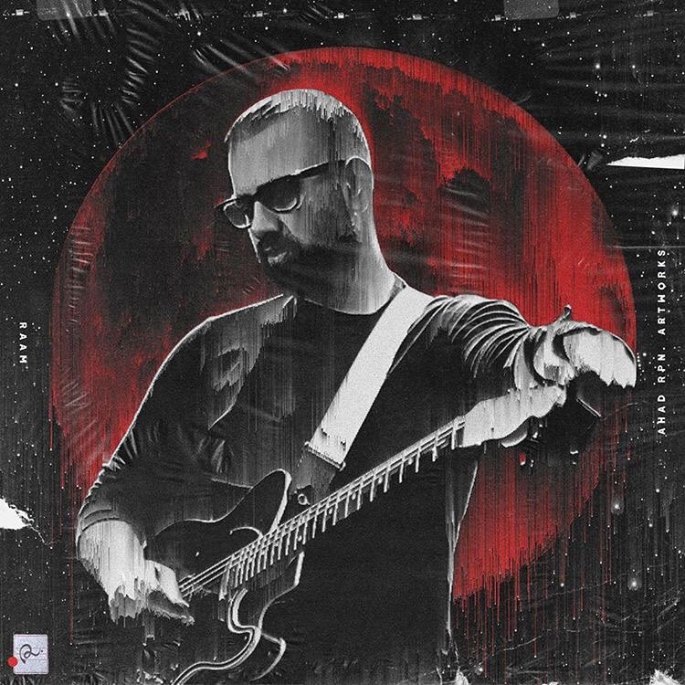
Raam is someone who walks between two worlds. An activist and musician, his time spent between North America and Iran has been coloured by rebellion and personal tragedy. We talk culture, music and the difficulties surrounding creative expression in one of the most oppressed countries on Earth.
You can find him @KingRaam on all your usual social media outlets.
Massive thanks to Chris Ryan of Tangentially Speaking for initially turning me on to this story. His podcast is incredible, and in many ways inspired the work I currently find myself doing.
Solidarity with the people of Paris, and around the World.
Alright folks, well as you can probably gather, East Van To Elsewhere is now a Podcast! This is a project born from our desire to build a platform for all the interesting people who live or pass through Vancouver. We’ll be talking with authors, activists, academics, poets, scientists, film-makers and just about anyone with a pulse who we think you’ll be interested in hearing.
The structure of the show is evolving, but right now we’re attempting to delivering one new episode around the 1st of every month. Our guest for this pilot episode of Elsewhere is none other than my friend Elena.
Elena is an anthropologist who specializes in the study of far-right politics. Having just recently completed her dissertation project in Ukraine, we discussed the current Russo-Ukrainian war, the history leading up to it, and where it may go from here.
As promised in the intro, this is the infamous Dairy Queen commercial featuring our beloved sound engineer Cody. He’s the one in grey, doing all the actual tricks.
As previously mentioned, we would appreciate that you keep your marriage requests to a minimum, as Cody is currently involved in a loving and functional relationship (they even have a pet hedgehog!)
If you enjoyed the closing music, here’s another beautiful, less upbeat song by DakhaBrakha. Fair warning though, it’s absolutely haunting (made even more so once you’ve learned the regions history), and when I saw them live at Folk Fest there was scarcely a dry eye in the house. Also, the psychedelic fan-made music video is quite a trip.
Anyway, we hope you enjoyed our 1st episode! We’re currently in the process of getting it hosted on Apple Podcast and all your other RRS feed based services, so look for it there in the coming weeks. Until then, find it right here at EastVanToElsewhere.com
There’s nothing wrong with loving where you live. Canada is a beautiful place, with many things to be proud of. Our history is not one of them.
On the lands which we currently occupy, one of the greatest genocides in human history took place. That cannot be overstated.
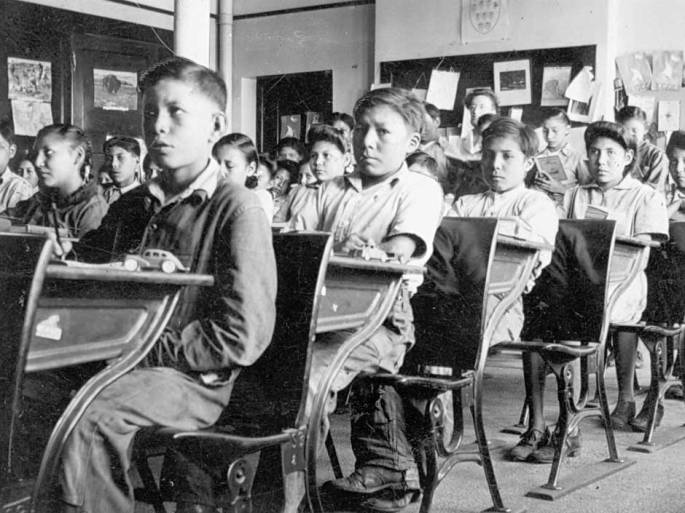
In a series of calculated decisions, the people who founded this country employed biological warfare, mass imprisonment and the seizure of children. They did this in order to hypnotize a generation, and the effects are still being felt to this day.
Statistics Canada shows us that 30 per cent of prisoners enrolled in correctional services from 2016-17 were Indigenous, compared to only 5 per cent of the general population.
Indigenous youth make up 46 percent of the juvenile detention population.
There is nothing wrong with going out with your friends and enjoying the celebrations – but please remember that this can be a painful day for many people who live in your community. The happy futures afforded to us by this land came at an unthinkable cost.
But I encourage you to think about it.
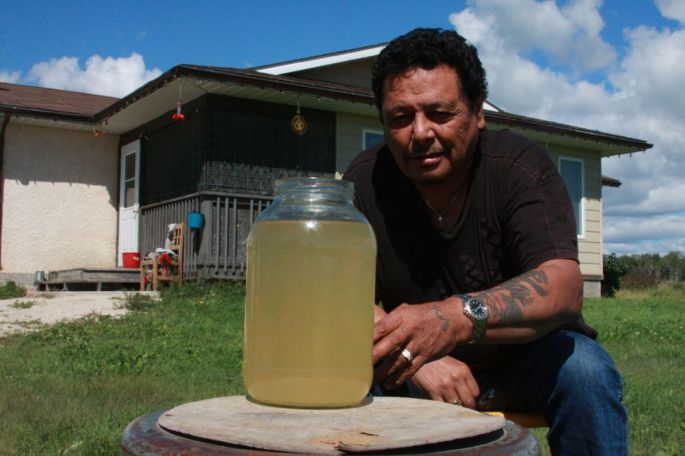
Ojibwa Chief Hector Shorting showcasing the quality of water available to his people on a reserve in rural Saskatchewan. Photo courtesy of the Toronto Star. Full Article
Looking back on it now, I think of all the places in Japan I visited, Kyoto suited me best. Absent from the bleating crowds and sheer expanse of Tokyo, Kyoto is still large enough to keep your pulse beating while getting lost in a crowd. Flat and compact, the entire city is traversable by bicycle, yet this cities many distractions will always cause your trip to take longer than expected.
Picking up where I left off, we had just entered the first temple on our walking tour, Kiyomizu-dera. Dropping ¥300 into the expectant hand of a smiling attendant, I was beckoned down a set of stairs. They were worn from foot traffic, but immaculately clean, no doubt because everyone had been asked to their shoes off. I slipped on some ill-fitting sandals and headed down the stairs, a pitch black passage waited at the bottom.
This instantly made me nervous. I had bashed my head enough times in Japan to realize that the entire country (especially the older buildings) was generally oriented to those of a more reasonable height. Regardless, I pressed on, the muted echoes of those ahead of me guiding the way.
Grazing my hand along the left wall to keep a forward path, I suddenly stumbled into the backs of a few people ahead of me. They graciously remained silent, attempting to preserve the ambiance that everyone was expecting. I muttered a brief apology and slowed my pace. Leaning against the wall , I waited for my eyes to adjust to the darkness, but it was no use. It was too dense, and after a few moments I carried on.
Feeling my way around a short sharp turn, a white glow suddenly appeared in the distance. I slowed my pace even further, wanting to ration out the steady rise of light as it grew larger in my eyes. I suddenly felt like a creature of the deep, dark ocean.
As I drew closer, I could see that beneath the light lay a large white stone. It was pot-marked and glowing, reflecting light like the moon. My eyes watered from its brightness, as if somehow my five minutes spent in darkness had been six weeks.
My ears were ringing from the silence. The absence of sight had diminished all sense of time and distance, and each step became either millimeters or light years of distance traveled. My limbs were ghosts in the dark. It now felt like I had been called from the depths of a ocean to witness the birth of a star.
Without thinking, I reached over and placed my palm in the centre of the stone, feeling its roughness against my skin. I closed my eyes, wanting to focus on the sensation of touch, trying to read its ridges like a hieroglyphic form of braille. It felt like I was lacking the software. I found myself thinking about those around me, invisible in the darkness. I had completely forgotten that anyone else was there.
I thought about how lucky I was to be there, being able to visit this place. Japan is a country my ancestors could only have ever dreamed of, if they had even heard of it at all. I thought about my Great-Grandfather, mining coal in caves far beneath the earth. I wonder if he ever learned to see through the dark.
Kia’s mustached face suddenly emerged into the light above the stone, instantly breaking the spell.
“It’sa you.” I muttered to myself.
Kia frowned and walked away.
Following the temple was the typical mishmash of enticing street vendors. Matcha tea chocolate balls and deep fried cheese sticks… I didn’t know where to start (or stop). Kia found a bike, and stopped to stare at it for a few minutes, while Spencer (our house History Major) regaled me with local tales from Japanese history. Apparently, a local monk had once accidentally burnt down a temple with a prayer candle. Given how all the temples are made of wood, and filled with open flames, this hardly seemed surprising, and I hope the monk didn’t beat himself too much up over it. Sometimes it seems like we’re set up for failure.
Intently following our little map, we journey’d a little further down to find the entrance to a small alleyway, one which the Lonely Planet described as the “single most attractive street in Kyoto.”
At first, we were flatly underwhelmed.
It was only after the first few bends, escaping the noise and crowds of people along the regular walking path that I began to understand what the book was referring to. It was residential, adorned with high stone walls, with ivy running across them. Planters for flowers sat above them, but it being the dead of winter, only the green vines stood out against the flat grey walls.
I allowed my imagination to bloom into what the summers must look like here. I pictured the reality of a childhood spent running between these gates, among the tea-houses and the tourists. I thought about how different my life would be if I grew up here.
As we lazily made our way back out the alley, I turned and realized that the sun had begun to dip behind the mountains. The air was getting colder. Merchants began sweeping the entrances of their stalls as monks gently ushered slow-walking visitors out of the temple grounds. Our time in Higashiyama was reaching its end.
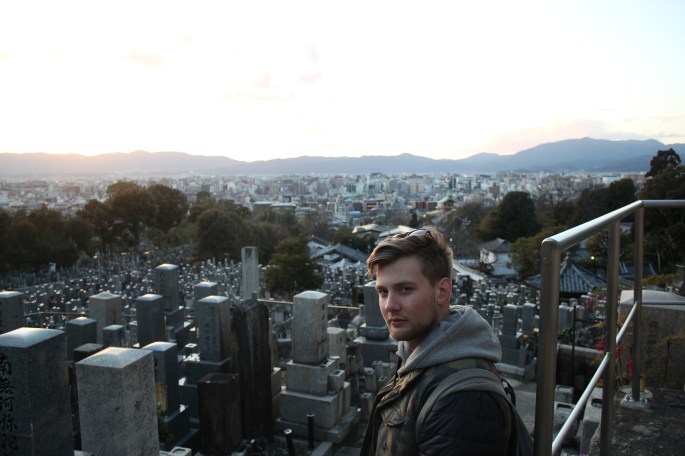
We walked to the furthest end of the trail to discover that it ended as it began, with a massive cemetery. Climbing up the stairs to its highest point, we turned and sat in silence, watching the sunset.
Kyoto is a city trapped between two worlds. One part cultural Vatican, steeped in two-thousand years of deeply religious, often violent history. Another part thriving cosmopolitan hub, polka-dotted with tightly organized subways, shopping arcades and tired-eyed businessmen.
We arrived in Kyoto on a bright Sunday afternoon, half-cut from drinks on the train. With legs eager for stretching, I was more than ready to be unleashed into this, my first experience in a Japanese city. One short taxi ride later, and we were dropped off at our new home for the next four days: The Millennials Hostel.
The name can give you a relatively good indication about the overall vibe of this place. Young professionals in cotton scarves calmly clattered away on keyboards in the communal area. Wide-eyed bearded web designers roared in friendly debate over optimal Bitcoin investment strategies, as British indie rock gently blared over the loudspeakers.
Kia was rather unimpressed at the whole affair. I think he’d fallen in love with the rustic, drunken charms of our previous accommodation. All I needed to win me over was the clean, private rooms, the adjustable beds and the solid WiFi connection. That coupled with the unlimited free beer served every day between 5:30pm and 6:30pm – I was more than sold.
Living quarters at the Millennials Kyoto (Photo taken from Hostelworld.com)
Suffice to say, the free beer hour is where we made the majority of our new friends. One of the most notable segments in that crowd were taking part in a program called Remote Year. Essentially, this is an organization which takes groups of people, all with the skills and opportunity to work remotely, and organizes a 12 month, 12 country tour for them to take.
To clarify, the program itself does not train people to work remotely, nor does it help them find work directly. The program simply arranges the flights, accommodations and finds spaces where they can work. Essentially, Remote Year handles the logistics, and leaves the members to do as they please. The Millennials hostel was another one of these work spaces, and they weren’t actually staying there. As far as I could tell, they came to work on the comfortable couches, meet other travelers, and partake in the free beer hour (can’t fault them for that)
Naturally, I was curious about this program. Near the end of my visit to Kyoto, I asked a small sample of them for an interview.
On our first night we had showed up pretty late, so after drinking as much free beer as we could, we decided to lace up and explore the area around our hostel. Located right next to the Kamo river, we were essentially in the Western/Central area of the downtown core, an area zigzagged with shopping arcades and restaurants. With most of the proper tourist sites being closed for the day, we decided to hit the streets and see what the people of Kyoto do after dark.
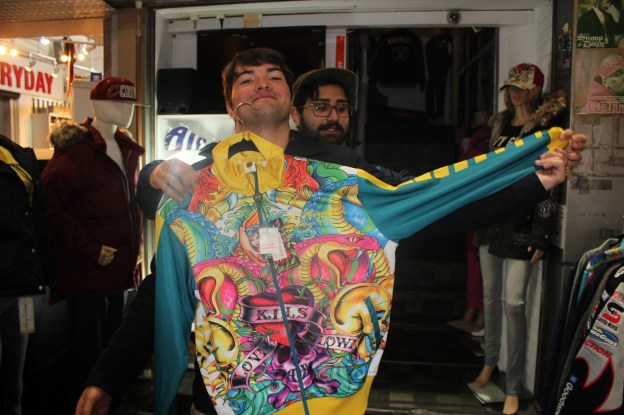
“This is totally you.”
“Welcome to the future of fashion.”
After exploring the shopping areas, we decided to check out the streets closer to the river. There we encountered a tight maze of alleys and wooden tiled roofs. The compressed mishmash of merchants and izakayas (Japanese Pubs), was so densely packed it reminded me of some sort of Oriental Amsterdam
For more than one reason.
Bright pink signs of neon soon appeared out of the darkened woodwork, promising in broken English some of the most provocatively worded phrases to ever be hastily run through Google Translate (and clearly not double-checked, I might add). What we had stumbled upon was Kyoto’s discretely famous Red Light district, in all of its pink pastel glory.
A few blocks later still, and were passed through one of Kyoto’s 1600 Shinto/Buddhist temples. Young children smudged themselves with heavy incense while the elderly tossed coins into a wooden receptacle at the base of the shrine. They would then ring a bell and clap twice, muttering a brief prayer before shuffling off for the next worshiper to take their place.
The contrast was jarring, but such is the reality of Kyoto. An ancient religious capital, fraught with modern vices.
Pachinko arcade in Kyoto
Gambling is technically illegal in Japan. You cannot bet on sporting events, nor play blackjack, poker, or roulette (although there are speculations that this will change for the 2020 Olympic Games). What they do have is Pachinko.
How does it work? No one knows!
Basically, you pour in your hard-earned yen coins, pull a lever, and then frantically hit buttons for the chance to win steel ball bearings. After collecting your fill, you then take your beloved bearings across the hall to a totally separate business which just happens to LOVE ball bearings. They’ll then pay you in cash for them. Nothing like gambling whatsoever.
The next day it rained. A lot.
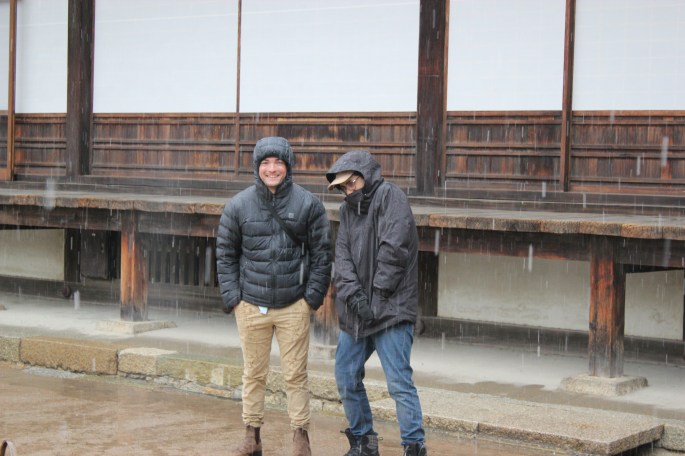
The next day, we awoke to a winter storm. Due to this, we didn’t get much accomplished, aside from some much needed laundry and a brief visit to Nijō Castle. Due to the aquatic weather conditions, I found myself greatly preferring the indoor segments (unfortunately there were no photographs allowed). However, when we did have to go outside, I couldn’t help but be impressed by the beautiful gardens surrounding the Edo era fortress.
Soggy gardens outside Nijō Castle. Landscaping influence courtesy of Dr. Seuss?
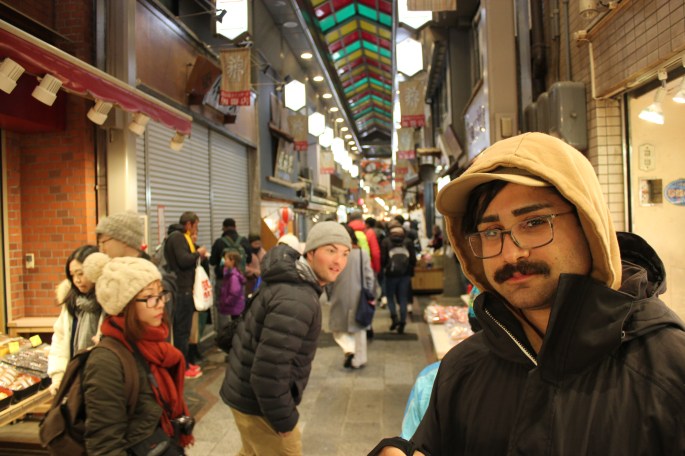
After the castle, we went back to the hostel to change our socks. After briefly consulting the Lonely Planet guidebook, we decided to check out the closest (and thankfully driest) attraction in Kyoto: The legendary Nishiki Market. Packed with tourists and steaming food stands, I’m glad I brought my appetite. As we discovered, this is a great place to enjoy Japanese street food ranging from pedestrian to exotic. At one point I ate a full (albeit tiny) octopus on a stick. It a had a quail egg inside it’s head instead of a brain! Neat!
“The fuck is this?”
Later that night, perhaps to make up for being rained in, or perhaps to relive the Viking-like levels of alcohol fueled savagery we’d held in Hakuba, we decided to get drunk. Polishing off a premium bottle of Sake we’d bought in Nishiki Market in 20 minutes, we spilled out into the street, new friends in tow. Our destination: Gion, the traditional district known to be the favorite haunt of legendary icons in Japan: The Geisha.
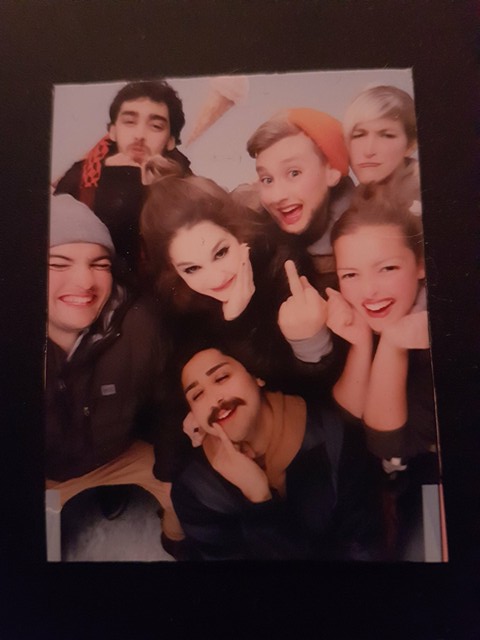
Of course, it being 11:30pm, there were (in hindsight pretty obviously) none still hanging around, and while I hate to be anticlimactic, that’s sometimes the way travelling goes. Regardless, we rolled with the punches, paraded through few izakaya’s, and finished off the evening in one of Japan’s delightful photo booths.
2Kawaii4U
After saying goodnight, for better or for worse, me and Kia decided to keep the party going. Memory at this point becomes hazy, but I do have a few photos to remind me of the general ebb and flow from that point on. The first and final stop for our private after party: tiny karaoke bar.
Accurate representation of our mental clarity at the time
There is an extremely embarrassing video from that night of me and Kia totally butchering Queen’s Bohemian Rhapsody. It is so cringy that I will not be posting it on the blog at this time. We were so tone deaf that afterward our performance, the bar staff reached over and took the karaoke computer away, stashing it safely behind the bar.
The time for singing had passed, but luckily, nothing really mattered … To meeee.
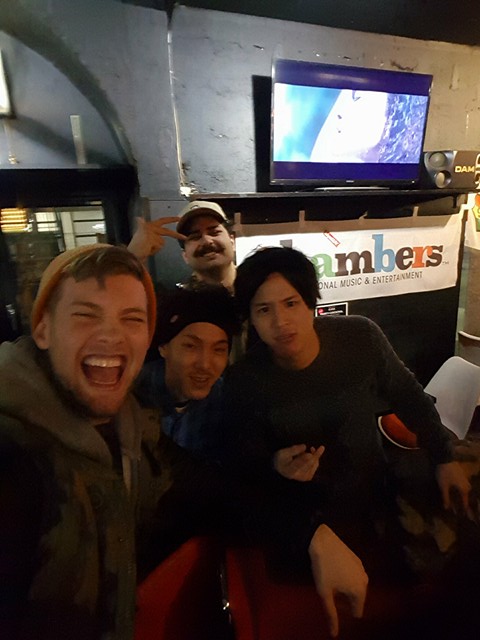
Friends from that night! (We assume…)
Much to the relief of the bar staff, we managed to stumble home at around 5am. This was probably the drunkest I’d been on the whole trip. The type of drunk where the world shook violently beneath out feet, and the only choice was to carry, (and to be carried) by the friend standing next to you, all the while singing Irish sea shanties.
What shall we do with the drunken sailor What shall we do with the drunken sailor Early in the morning
And indeed it was, early in the morning.
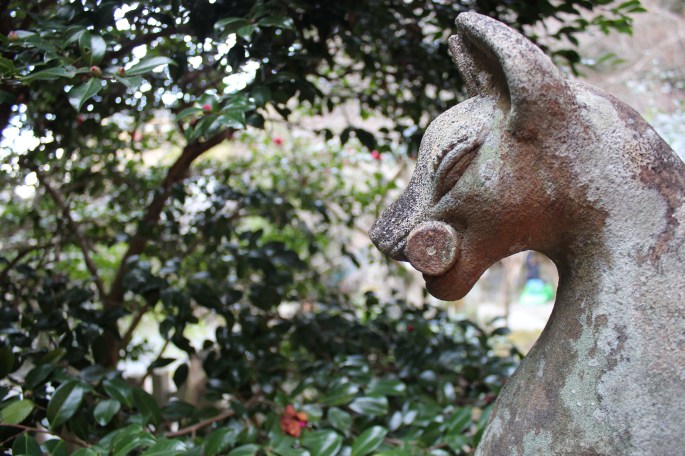
Lion statue mocking our hangovers
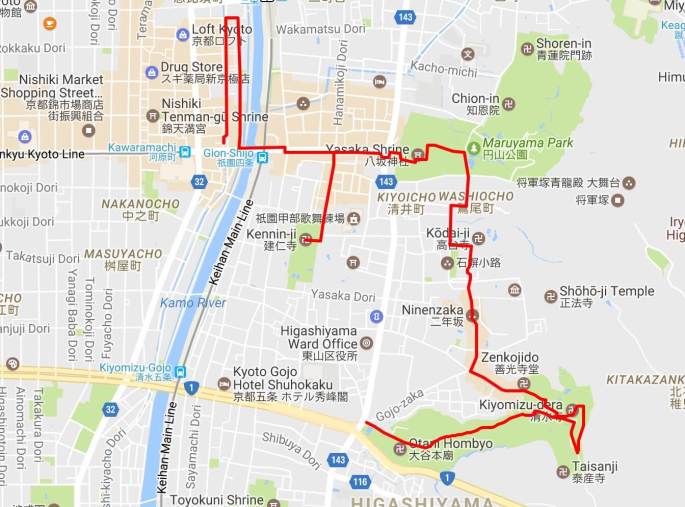
We were pretty rough the next day. Arising sometime around noon, we were still drunk from the night before, a condition we remedied by eating scrambled eggs with fried Kobe beef. Shortly after consulting the hallowed Lonely Planet guidebook, we decided the best use of our late start would be the Southern Higashiyama walking tour, which covers many of Kyoto’s top landmarks in one convenient path, with the starting point somewhat nearby to our hostel.
Southern Higashiyama Tour Map
From that point on. we commuted most places via bicycle. Taking the subway only allows you two fixed points of experience: where you enter the train and where you get out. You inevitably lose half the enjoyment of traversing the city to the identical underground halls of train stations. Believe me, the language over the loudspeaker may differ, but if you’ve seen one underground train system, you’ve seen them all. If weather permits, Kyoto is definitely a city to be experienced by bicycle. We managed it in the dead of winter so, your excuses are limited.
The first stretch of the walk was made up by a massive cemetery. Thousands of stone obelisks stood stark against the grey sky like some sort of miniature city for the deceased. As we left, I turned around and saw a lone Japanese man trudging up the hill. He must have been in his late 70’s, and was carrying flowers. Later in the walk, Kia confided in me that he had lit a prayer candle back at the cemetery temple. The wind had immediately kicked up and blew it out, as if to say, like a blunt Tokyo bouncer “No. This is for Japanese only.”
I’ve checked in with several Japanese sources, and I can confirm that we were okay to take photographs, so long as they were respectful in nature. Not being entirely clear on what that meant, we took as few as possible, and kept our faces stony and serious in all of them. However, that doesn’t mean that people walking through the park previously had the same idea…
A short walk later, and we had made it to the first massive temple along our walking route: Kiyomizu-dera. A colourful mix of tourists and worshipers made their way up the worn stone steps, while young girls in bright Yukutas (see below) crowded around selfie sticks. Video-bloggers with excessive, shoulder mounted Go-Pro’s pushed their way through the crowds, and children begged their parents to stop for matcha ice cream.
Little did I know, the temple we were about to enter held beneath its floors a pitch-black tunnel. This is the place which would play host to my first (and utterly unexpected) religious experience in Japan.
Japan hides under it’s kawaii cloak some of the most fantastic and bizarre creatures to ever ascend from the pits of human imagination. In Japanese, they called “Yōkai”, and these are some of my favorites.
Akaname
“Sokokuradani no Akaname” by Utagawa Yoshikazu
Bathing is an integral part of Japanese culture. Public bath-houses or “Onsens” are a indispensable component of any self respecting Japanese village, dating back for well over a thousand years, with the earliest on record being the Dogo Onsen in 712 AD, on the island of Shikoku.
Steam mysteriously floating through the air, coupled with a rigid expectation of silence. Social pressure, and the cryptic echo of drips allow the imagination to run wild, inspiring the condensation our most paranoid thoughts, the darkest of which are no better personified than the creature which haunts the glistening walls of Japanese bathhouses: The Akaname.
“Akaneme” by Toriyama Sekien
First depicted in classical yōkai illustrations as monstrously deformed children with hideously long tongues, these creatures were first drawn with no explanation given, leaving their true nature open to interpretation. Later entered into the Edo-period book, Kokon Hyakumonogatari Hyōban, and they are first given the name “Akaneburi”, with the word “neburi” meaning “to lick”.
According to this, and later entries regarding them, Akaname reside in the sunken corners of dilapidated old bathhouses, surviving by slurping up the filth left behind by dirty bathers and lazy onsen staff. The moral hiding at the centre of this ghoulish tale is simple: Keep your bathhouse clean!
Modern imagining of the Akaname by Matthew Meyer
Historically speaking, during the time these tales were written it was suspected that all living things survived by consuming the substance which spawned them. Lice eat dirt, and at the time they were believed to have come from dirt, so too was the Akaname thought come into existence: Manifested as congealed grime, born from and feasting upon its environment, all the while horrifiying those unfortunate enough to stumble upon it.
Kappa
Duo of Kappa, seen here capturing an unfortunate swimmer
When it comes to mythological creatures from Japan, few are as quintessential and well recognized as The Kappa. Translated literally as “River Child”, they are said to dwell in the waters close-by to human settlements, and were often used to explain drowning victims who would be found dead with no outward signs of trauma.
Kappa by Katsushika Hokusai
Some believe the story of the Kappa is based on the Japanese giant salamander. Still others maintain it’s legend formed around sightings of the now extinct Japanese river otter, which was known to stand upright, and could have easily confused a panicked person into thinking they’d seen a monster. It could have been a combination of the two, mixing separate reports from different areas to create one creature, but as such its true origins are unknown, and will likely remain so.
Regardless of their true source, the Kappa legend did serve one undeniable function: as a fable to teach young children of the dangers from playing in rivers. I’m sure it was an effective deterrent, because there is one behavior particular to the Kappa I have neglected to mention till now, and it is one that would be sure to frighten even the savviest of boatmen, let alone small children …
Kappa doing its thing… Yikes
At the time, it was believed that (and please bear with me here) the human soul was located inside a small ball called a shirikodama. This precious little item was purportedly held deepinside the human body, specifically … inside the anus.
This rare delicacy was reported to be the Kappas favorite snack, and they would do anything to get it, tearing them out of anyone unfortunate enough to swim near their dens. This part of the legend would also be used to explain loose bowels sometimes found in drowning victims. It is possible that this aspect of the tale presented another point of moral guidance for its intended audience: Don’t shit in the river nearby to town.
Setting a trap for the Kappa
Modern times have seen unexpected transformation of the Kappa from hated river rapist to lovable pop-culture icon. You can now see them plastered on businesses and products of all varieties. There is even a whole street in Tokyo named after them, Kappabashi-dori, where store-fronts have taken them on as their official mascots, emblazoning the Kappa’s image on everything from coffee mugs to pork buns.
Not made with real Kappa*
For these reasons one could argue that the Kappa has become the most successful Yōkai of all time, still recognized and remembered by Japanese people today. But it has done so at great expense, foregoing its dignity as a horrifying monster, and transforming from kowai (scary) to kawaii (cute), in just a few short generations. Hallowed beasts of old, tremble in fear before your new master: Culturally exploitative marketing managers.
“D’oh” – Kappa Simpson
Namahage
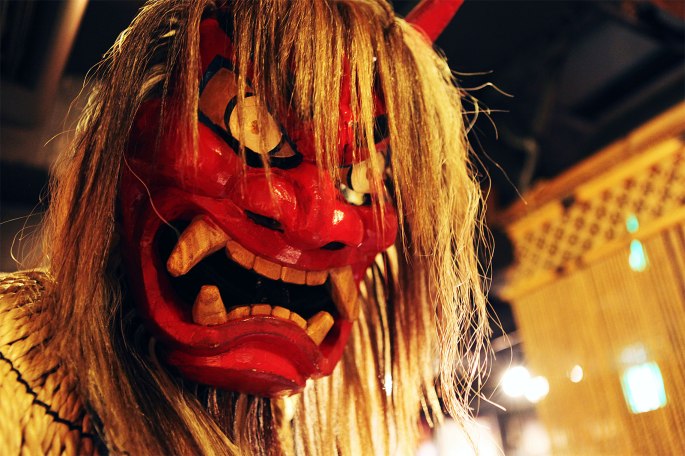
Man in traditional Namahage mask
As you may have already gathered, moral guidance and social control play a central role in the function of Yōkai stories. That being said, we now come to a creature which epitomizes that function. They have been used to horrify and discipline children in the Oga Peninsula in Northern Honshu for countless generations, and they are called the Namahage.
Unlike the Kappa, these monsters have a specific root legend, well known in the Oga region from which they come. The story goes that when Chinese Emperor Wu of Han (born 141 BC) came to Japan, he brought along with him five demonic ogres (or “Oni”). After the visit, these ogres decided to stay, establishing homes in the two nearby mountains of Honzan and Shinzan. Specific details regarding this story vary from that point on.
What I can tell you however, is that every year during koshōgatsu (the first full moon of the New Year), young men in grass leggings, wearing horrifying masks and brandishing torches, descend upon local villages, and (much to the surprisingly relaxed amusement of their parents) scream at and terrify little children. What these kids don’t know is that these actors are often working in accordance with local parents. Sometimes they will even request that the actors impart specific lessons on their children during these highly ritualized nighttime “raids”, everything from better grades in school to brushing their teeth more.
Namahage descending from the mountain
Despite their hideous appearance and ferocious behavior, some older Shinto legends suggest that the Namahage are actually benevolent spirits, acting in the employ of the sacred mountain God’s (The “Kami”). They are sent to punish those who are lazy or wicked, bringing dishonor to the region. The Namahage derive their name from “Namomi”, which is the regional term for heat blisters, which would most typically afflict those who have lazily spent the winter huddled around the fire. “Namomi ko hagetaka yo?” – meaning “Have your blisters peeled yet?!” would be one of the most iconic phrases used by the Namahage to ridicule layabouts.
It’s the Eastern Ying to the Yang of Western Santa Claus. “Do exactly as your parents say, otherwise ogres will come and eat you.” Simple enough. In a society where strict familial hierarchy is paramount, and people are zealously bound to colour within the lines of socially acceptable behavior, such traditions are not all that surprising, but nonetheless shocking to see in action.
Below is a video (not my own) of what goes on during a Namahage festival.
Perfectly acceptable parenting style, or borderline child abuse? You decide! Cultural relativism is important to keep in mind here





















 “Akaneme” by Toriyama Sekien
 Modern imagining of the Akaname by Matthew Meyer
 Kappa by Katsushika Hokusai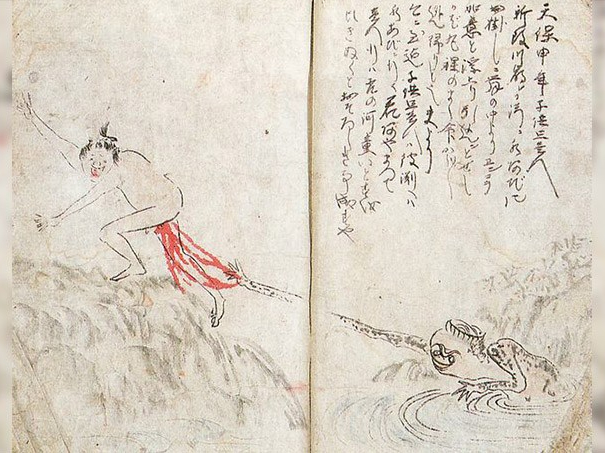



 East Van to Elsewhere